

Key Takeaways
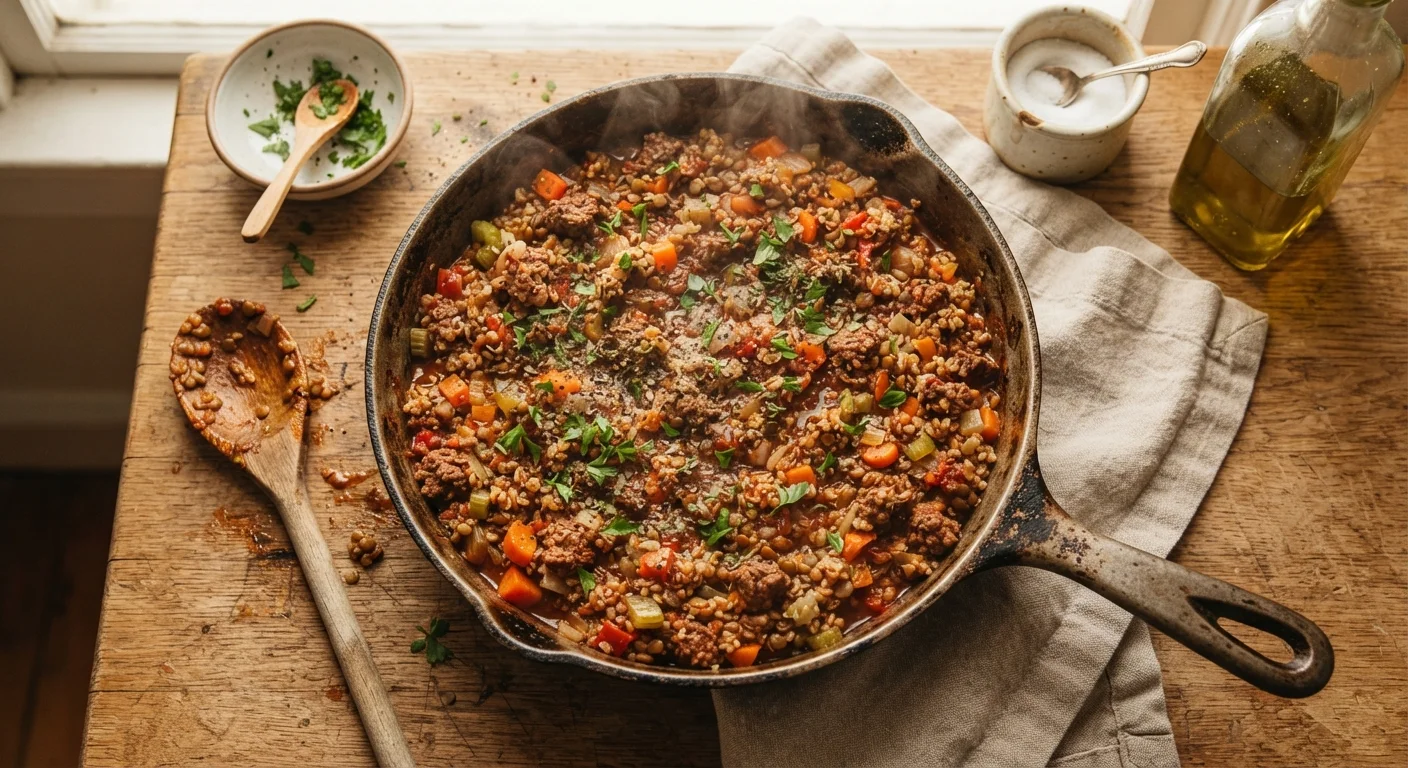
- Adding cooked lentils or beans to ground beef can cut meat use by up to half without reducing portion size.
- Grains like cooked rice, bulgur, or oats bind well with beef and absorb surrounding flavors.
- Finely chopped mushrooms mimic the texture of meat and are nearly undetectable in sauces and patties.
- Stretching ground beef works across many dishes, from tacos and pasta sauce to casseroles and meatballs.
- Reducing meat per serving lowers cost per meal without sacrificing protein when plant-based additions are chosen thoughtfully.
Why stretching ground beef makes sense
Ground beef is one of the most versatile proteins a family can stock, but it is also one of the bigger line items in a weekly grocery budget. A pound does not go as far as the package suggests once you account for shrinkage during cooking and the appetite of a table full of people. The good news is that ground beef is exceptionally easy to extend because its loose, crumbled texture blends seamlessly with other ingredients.
The goal is not to trick anyone into eating less. It is to build a dish where the beef provides flavor and fat while other ingredients provide bulk, protein, and nutrition. Done well, a stretched pound of beef feeds six people as satisfyingly as an unstretched pound feeds four. That difference adds up fast across a month of dinners. For families already working with a weekly food budget, this approach fits naturally into the kind of planning outlined in a weekly family meal plan.
The best ingredients to add
Not every extender works equally well in every dish. The choice depends on texture, flavor, and how the beef is being used.
Each of these additions works better when introduced gradually. Start by replacing 25 percent of the beef in a familiar recipe, then adjust upward over several meals until you find the ratio your household accepts without complaint.
Practical techniques that hold up
Getting the ratio right matters, but technique matters just as much. A few habits make the difference between a dish that tastes complete and one that tastes watered-down.
Batch cooking these additions in advance saves time during the week. Cooked lentils and rice both refrigerate well for four to five days, so you can prep them once and use them across multiple meals. The batch cooking guide for busy families covers that workflow in detail if you want to build it into your routine.
Which dishes work best
Some recipes tolerate extensions better than others. Dishes with bold seasoning, sauces, or multiple components are the easiest starting points because the beef is never the sole flavor carrier.
- Taco filling and burrito bowls handle lentils and rice without any change in seasoning.
- Pasta meat sauce absorbs mushrooms and finely diced carrots or celery without altering the dish's profile.
- Meatballs and meatloaf accept rolled oats and grated zucchini well because those ingredients are traditional binders.
- Stuffed peppers and casseroles already include grains or vegetables, so adding more to the beef portion is a small adjustment.
- Chili is the most forgiving application: beans are expected, and a lower beef-to-bean ratio reads as a style choice rather than a budget move.
Dishes where ground beef is the only visible ingredient, like a plain burger patty, are harder to extend without a noticeable change in texture. Save those for occasions when you want straightforward beef flavor, and use the stretched preparations for everyday weeknight cooking.
If you want to vary the vegetables in these dishes based on what is in season and affordable, cooking with seasonal produce explains how to build that flexibility into your meal routine.