

Key Takeaways
- Public parks, trails, and recreation centers offer structured fitness opportunities at no cost.
- Library cards unlock free access to fitness apps, streaming workouts, and exercise books.
- Bodyweight training at home can build real strength without any equipment or membership fees.
- Community programs through nonprofits and local governments frequently offer free fitness classes.
- Consistent use of free resources produces results comparable to paid gym routines.
You do not need a membership to train seriously
The fitness industry benefits from the assumption that effective training requires paid memberships, specialized machines, or expensive programs. That assumption does not hold up. The physical requirements for improving cardiovascular health, building muscular strength, and maintaining mobility are well understood, and most of them can be met with resources that cost nothing.
The obstacles that actually limit progress tend to be structural: lack of a clear plan, inconsistent scheduling, or not knowing which free tools are worth using. The six resources below address each of those gaps. If you are deciding between a gym and home training, this comparison of home and gym fitness covers the practical trade-offs in detail.
When to consult a healthcare provider
This article describes general fitness information and is not medical advice. If you have a chronic condition, injury history, or have been inactive for an extended period, speak with a qualified healthcare provider before starting a new exercise routine. This applies especially to high-intensity formats such as HIIT.
Six free resources worth using
Public parks and outdoor fitness stations
Most American communities have public parks with open lawns, walking paths, and permanent outdoor fitness equipment installed by local governments. Pull-up bars, parallel bars, and balance beams appear in many of these spaces and require no fee to use.
Beyond the hardware, parks provide the space to run intervals, do yoga, or work through a full bodyweight circuit. The variable terrain of trails adds natural resistance that flat treadmills cannot replicate. If you want to extend this further, national parks offer additional free fitness opportunities that many families overlook.
Outdoor fitness stations installed by local governments give you real equipment at no cost.
Your public library's digital fitness resources
A library card is one of the most underused fitness tools available. Many public library systems in the United States provide free access to apps and platforms that stream yoga, strength, and cardio workouts. Libby, Hoopla, and similar services carry exercise video collections that cardholders can stream at home.
Libraries also stock fitness books covering periodization, nutrition science, and mobility work, written by credentialed coaches and researchers. Borrowing these costs nothing and can meaningfully improve how you structure your training over time.
A library card can unlock streaming workout platforms and evidence-based fitness books for free.
Bodyweight training with no equipment
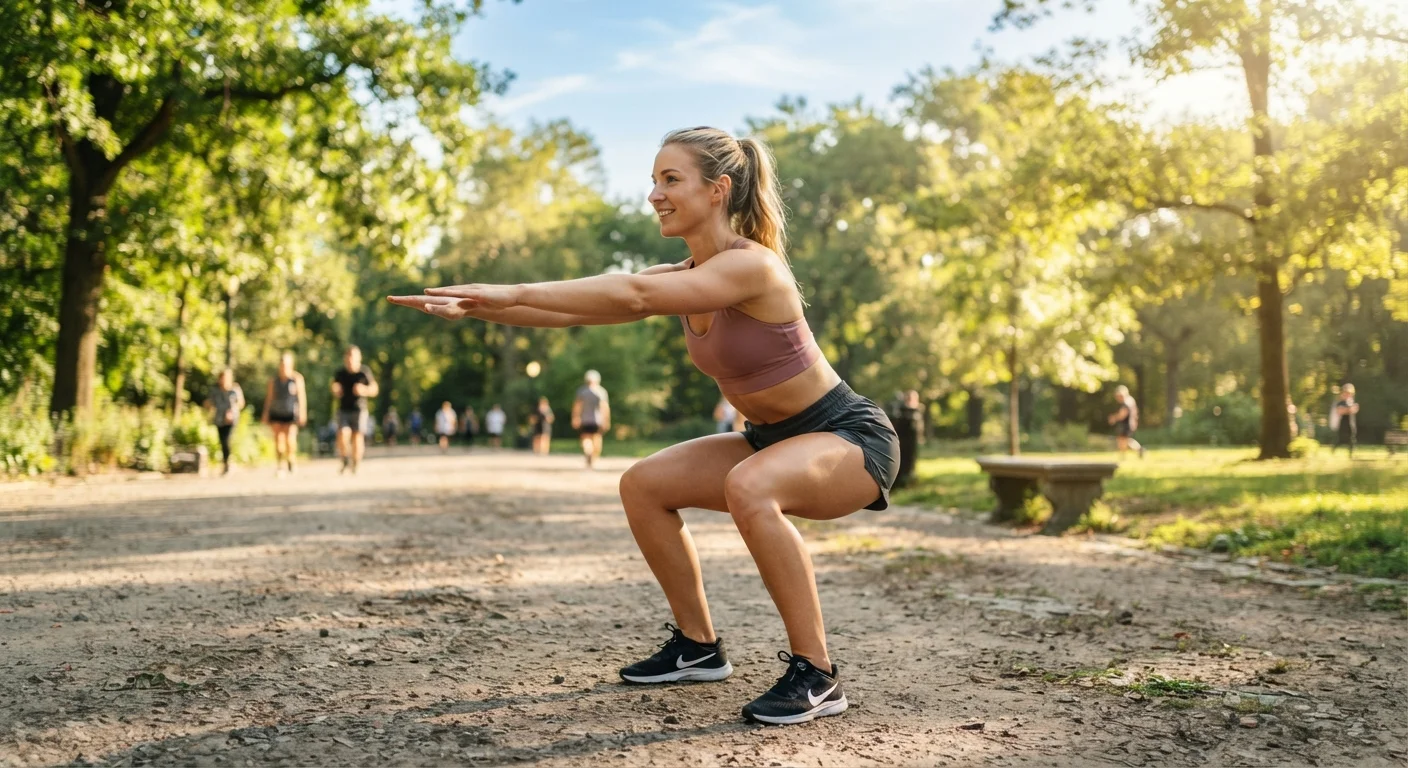
Push-ups, squats, lunges, planks, glute bridges, and dips off a chair cover the major muscle groups and can be progressed systematically over months. Research in exercise science consistently finds that bodyweight resistance training builds measurable strength and lean mass when load is sufficient and recovery is managed.
Progression happens by changing leverage (elevating feet for push-ups), increasing range of motion, slowing tempo, or reducing rest periods rather than adding weight. Bodyweight training has real limitations alongside its strengths, and understanding both helps you train more effectively.
Systematic bodyweight progression builds measurable strength without a single piece of paid equipment.
Free workout content from certified instructors
Video platforms host thousands of free workout sessions led by certified personal trainers and exercise physiologists. Channels covering HIIT, yoga, pilates, strength training, and mobility work are available without subscriptions. The quality varies, so look for instructors who hold credentials from recognized bodies such as the American Council on Exercise (ACE) or the National Academy of Sports Medicine (NASM).
Searching by specific training goal and filtering by upload date helps you find current, well-structured content rather than sorting through outdated material. Pairing these sessions with a structured weekly plan produces better results than random selection.
Credentialed instructors post full workout sessions for free on major video platforms.
Community recreation programs and nonprofit classes
Many city and county recreation departments offer free or deeply subsidized fitness classes, including group aerobics, water fitness, and senior strength sessions. YMCA branches in some regions run fee-waiver programs based on household income. Local nonprofits and community health organizations sometimes host free walking clubs, running groups, and group fitness events in public spaces.
These programs also provide social accountability, which research in behavioral science links to better exercise adherence over time. Checking a city recreation website or community board regularly is the simplest way to find current offerings. For families, these settings translate well into shared activity, as covered in low-cost family movement ideas.
City recreation departments and nonprofits offer free fitness classes that also build accountability.
Walking and running as a structured fitness method
Walking at a brisk pace produces cardiovascular benefits documented across decades of public health research. The Centers for Disease Control and Prevention identifies moderate-intensity aerobic activity, which includes brisk walking, as a foundation of health maintenance for adults. Running requires nothing beyond shoes and a safe route.
Structure matters more than most people assume. Alternating effort levels, such as walk-jog intervals, improves cardiovascular fitness faster than steady-state walking alone. Tracking distance or duration with a free phone app adds a measurable element that supports consistent progress over weeks.
Brisk walking with structured intervals builds cardiovascular fitness without any cost.
Build a plan before you start browsing
Free resources are plentiful, but without a structure it is easy to rotate between formats without making real progress. Use the framework for building a weekly routine to organize free resources into a coherent schedule before you begin.
Turning free resources into consistent results
Access to free fitness resources matters less than using them consistently. Choosing one or two of the options above and scheduling them into your week produces more lasting change than sampling many approaches without repetition. Families building activity habits together often find that shared routines improve follow-through for everyone involved.
Progress in fitness follows physical adaptation, which takes weeks of repeated stress and recovery. Free tools can deliver that stress just as reliably as paid ones. The difference is in how well you structure and sustain the effort over time.
This article is for informational purposes only and is not medical advice. Consult a qualified healthcare professional before beginning any new exercise program, particularly if you have existing health conditions or injuries.