

Key Takeaways
- A consistent wake time is more important than a consistent bedtime for regulating sleep.
- Blue light from screens is a real but modest sleep disruptor compared to overall stimulation before bed.
- Most adults need seven to nine hours of sleep; individual variation is real but narrow.
- Alcohol may help you fall asleep faster but significantly reduces sleep quality overall.
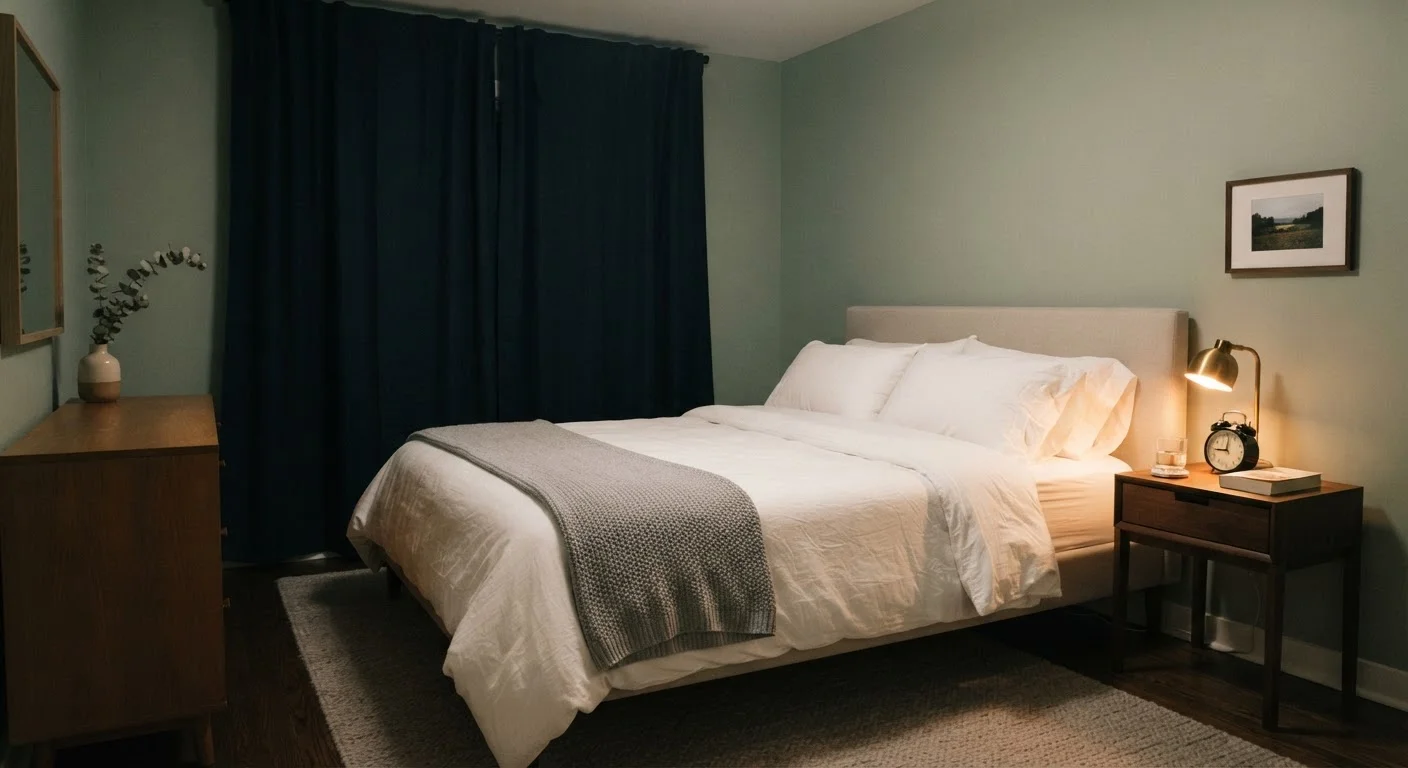
- Keeping the bedroom cool and dark supports the conditions your body needs to stay asleep.
Why sleep advice gets complicated
Sleep is one of the most researched areas in health science, yet the advice circulating online ranges from genuinely useful to well-intentioned fiction. Families trying to establish healthier routines can end up chasing habits that make little difference while missing the changes that would actually help. This article separates the well-supported guidance from the popular myths, drawing on research from organizations including the National Institutes of Health and the American Academy of Sleep Medicine.
For context on how sleep connects to broader family wellness, see our guide to building a family wellness routine.
Myth
You can catch up on lost sleep over the weekend and fully recover.
Fact
Weekend recovery sleep partially reduces fatigue but does not fully restore cognitive function lost during the week.
Research published through the NIH has shown that chronic sleep restriction creates a deficit in attention and reaction time that persists even after two full nights of recovery sleep. Weekend catch-up may reduce subjective sleepiness, but performance on tasks requiring sustained focus remains below baseline. Building consistent nightly sleep is more effective than trying to compensate after the fact.
Myth
Screen use before bed ruins sleep mainly because of blue light.
Fact
Blue light from screens has a measurable but modest effect; mental and emotional stimulation from screen content is likely a larger disruptor for most people.
Blue light does suppress melatonin, a hormone that signals the body to prepare for sleep. However, the effect of consumer screens has been found in several studies to be smaller than often claimed. The bigger issue is that engaging content, whether news, social media, or games, raises alertness and emotional arousal at the time you need to wind down. Dimming screens or using night-mode settings may help, but reducing stimulating content in the hour before bed is likely more useful for most adults and children.
Myth
A glass of wine helps you sleep better.
Fact
Alcohol may shorten the time it takes to fall asleep but disrupts sleep architecture, reducing restorative deep and REM sleep in the second half of the night.
The sedative effect of alcohol is real, but it fades as the body metabolizes it, often triggering arousal and lighter sleep in the early morning hours. The American Academy of Sleep Medicine notes that alcohol reduces REM sleep, the stage associated with memory consolidation and emotional processing. People who drink regularly before bed often experience fragmented sleep without realizing alcohol is the cause.
Myth
Everyone needs exactly eight hours of sleep.
Fact
Most adults need between seven and nine hours, with genuine individual variation within that range.
The National Sleep Foundation and the American Academy of Sleep Medicine both recommend seven to nine hours for adults, based on large-scale epidemiological data. A small proportion of the population carries genetic variants that allow them to function well on six hours or fewer, but this is uncommon. Sleeping fewer than seven hours consistently is associated with higher risk for immune dysfunction, metabolic changes, and mood disturbance. If you feel rested and alert on seven hours, you likely do not need nine.
Myth
Lying in bed with your eyes closed is almost as good as sleeping.
Fact
Quiet rest without sleep provides some physical recovery but does not replicate the cognitive and physiological restoration that sleep stages deliver.
Sleep cycles involve distinct stages, including slow-wave sleep and REM sleep, each with specific restorative functions. Memory consolidation, hormone regulation, and cellular repair processes depend on actual sleep, not just physical stillness. If you regularly find yourself lying awake for long stretches, spending excessive time in bed can worsen insomnia by weakening the mental association between bed and sleep. This is one reason behavioral sleep medicine approaches often include limiting time in bed to actual sleep time.
Habits that hold up under scrutiny
Once the myths are cleared away, a smaller set of well-supported habits remains. A regular wake time is the single most consistent finding in sleep research: waking at the same time every day, including weekends, anchors the body's internal clock more reliably than trying to hit a precise bedtime. Temperature matters too. Core body temperature drops during sleep onset, so a cool room (most adults find somewhere around 65 to 68 degrees Fahrenheit comfortable) works with that process rather than against it.
Physical activity during the day is associated with better sleep quality, though exercising close to bedtime does not impair sleep for most people, contrary to older advice. The relationship between stress, mental activation, and poor sleep is well-established. If your household deals with ongoing stress, the strategies in our evidence-informed stress management guide can support sleep indirectly.
For children, sleep needs are higher than for adults, and consistent routines carry even more weight. The American Academy of Pediatrics recommends parents consult a pediatrician about age-specific sleep targets, since those targets shift considerably from infancy through adolescence.
When sleep problems need professional attention
Persistent difficulty falling asleep, staying asleep, or feeling unrefreshed despite adequate time in bed may indicate an underlying condition such as insomnia disorder or sleep apnea. These conditions are treatable, often without medication, through approaches like cognitive behavioral therapy for insomnia (CBT-I). Do not rely on general sleep hygiene advice alone if symptoms are ongoing. A healthcare provider can assess whether further evaluation is appropriate.
This article is for general informational purposes only and is not a substitute for medical advice. If you or a family member experiences persistent sleep difficulties, consult a qualified healthcare provider.